
Send Message
Privacy statement: Your privacy is very important to Us. Our company promises not to disclose your personal information to any external company with out your explicit permission.
 Hubei Mingya New Material Technology Co., Ltd.
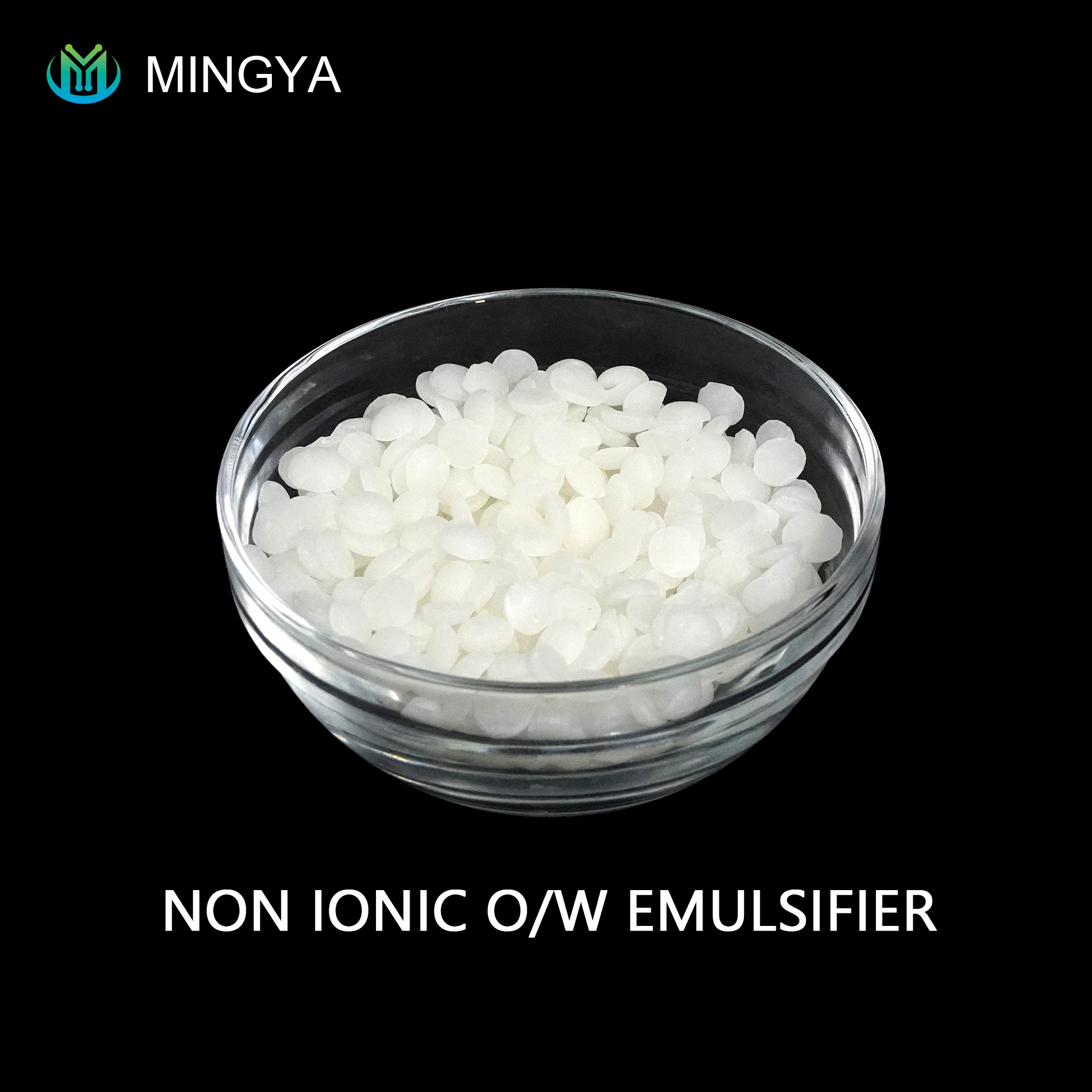
Two highly effective compound emulsification systems
Two high-efficiency cosmetic emulsification systems As the core support of product quality, Cosmetic raw materials' innovation and upgrading have become the key driving force driving the development of the industry, and emulsion for cosmetics is the key to solving the problem of balance between efficacy and skin feeling.The two high-efficiency compound emulsifying systems are: OILREE® MY967 and PEOFA™ MY986, VEGEFIERS™MY CSO 99 and OILREE® MY935. Emulsification technology is the core of...

What is OILREE®MY922-25 (Beheneth-25) and what are its core advantages?
The quality of the emulsifier directly determines the use experience and market competitiveness of the final product.An oil in water emulsifier with excellent performance, OILREE® MY922-25, has brought a new technological breakthrough to the beauty industry. The chemical name of MY922-25 is Beheneth-25, which is a synthetic single compound with a clear structure.Its appearance is white particles, its properties are stable at room temperature of 25℃, and it has good storage and transportation...

What ingredients are suitable for making tear-free formulas?
“Tear-free formula" belongs to the core label of infant care products and sensitive skin care products.The core appeal of this formula is to ensure that the product will not cause discomfort such as tingling, tears, redness and swelling when it comes into contact with the human body's most fragile eye mucosa.As the core ingredient responsible for cleaning and emulsifying in care products, surfactants, their mildness directly determines whether a product can truly meet the tear-free...
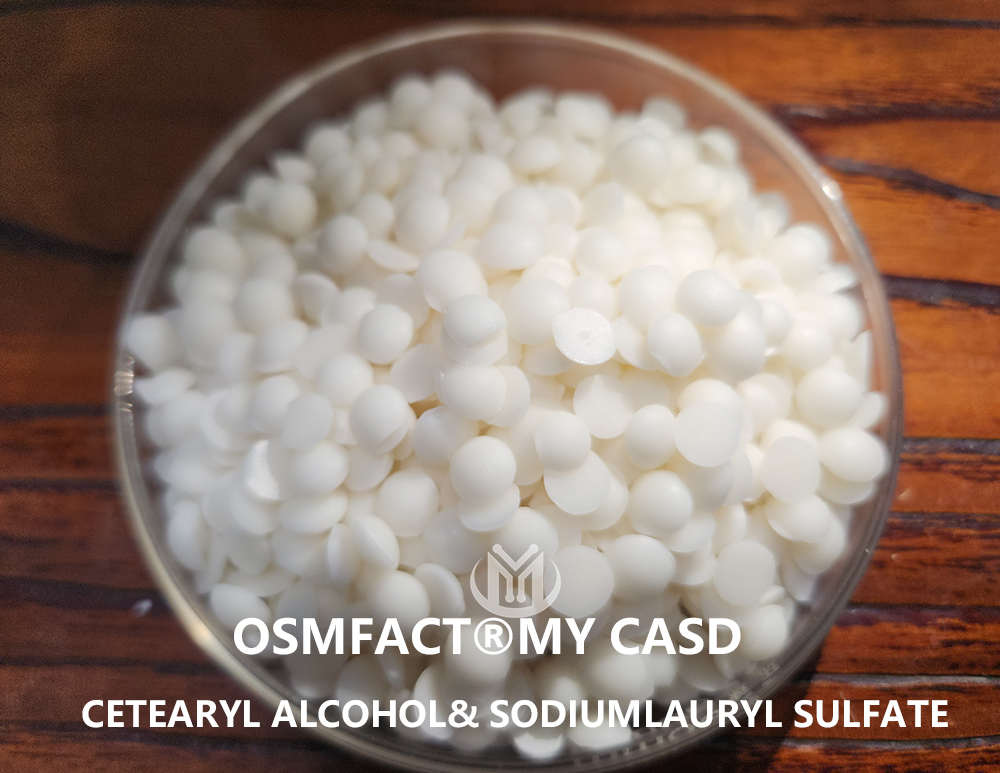
High technological barrier: OSMFACT®MY CASD
In the cosmetic raw material market, high-end emulsified waxes have always been firmly occupied by foreign brands. Among them, Crodex A is the benchmark for oil-in-water anionic emulsifying waxes. With its super emulsifying stability and smooth and gentle skin feeling, it has long monopolized the supply of core raw materials for creams, lotions and other products.And OSMFACT® MY CASD can achieve accurate benchmarking of this international big brand, relying on solid high-tech thresholds and...

What are natural polyglyceride surfactants?
Pure natural medium-carbon chain polyglycerides nonionic makeup remover surfactants have gradually become the new focus of the daily chemical industry due to their multiple advantages such as natural origin, high efficiency, gentleness, and environmental friendliness, injecting green vitality into the research and development of makeup remover products. The rise of such new surfactants is not accidental.Data show that the global polyglycerol market size in 2024 will be about US5595.78...

PEG-30 Dipolyhydroxystearate boosts W/O makeup stability
In the current beauty industry, consumers' requirements for product skin feeling, makeup retention, and stability are constantly rising. This wave of demand is also driving upstream raw material companies to accelerate innovation.OILREE® MY935 (peg-30 dipolyhydroxystearate), with its unique performance advantages, quickly broke through in the field of makeup and sunscreen raw materials. New market opportunities The quality of beauty products depends to a large extent on the performance of...

Properties and applications of Cationic Softeners
I.What is a Catic softener? In the chemical industry of textile care, cationic softeners are a class of positively charged surfactants. Their core role is to form a lubricating protective film on the surface of negatively charged fabric fibers through electrostatic adsorption.This layer of film can not only significantly improve the softness and drape of clothing, but also effectively reduce the accumulation of static electricity, so that the fabric is not easy to pilling and absorb dust in a...

What is OILREE® MY945-B(peg-20 glyceryl isostearate)?
What is OILREE® MY945-B? The essence of the emulsified system is to reduce the interfacial tension through surfactants, so that the thermodynamically incompatible phase states form a kinetic stable dispersion system.However, with the upgrading of cosmetic efficacy requirements, the number of oil-soluble active ingredients and water-soluble functional factors that exist in the formula at the same time has increased significantly.Traditional emulsifiers often only work in a single dimension,...
Natural Polyglyceryl Emulsifiers Improve Makeup Removal Experience
Opening up social platforms, complaints about makeup remover can always resonate countless times: “Makeup remover oil stuffs acne to doubt life”“ "Makeup remover wipes your face flushed, sensitive muscles can't hold it”“ "After removing makeup, it is tight to the skin, and you feel that the skin's moisture is drained"... As the first step in skin care, the importance of makeup remover is self-evident, but the balance between “cleansing power” and “gentleness” has become a problem that bothers...

Acrylic Copolymer Thickener and Nonionic Thickening Suspension
Acrylic copolymer thickener and Nonionic thickening suspension: They do not appear in the ingredient list as frequently as popular cosmetic raw materials, but in every bottle of lotion and shampoo, they quietly determine the skin feeling and stability of the product. Acrylic copolymer thickener In the bathroom in the early morning, when you squeeze out the gel-like cleansing product and feel its silky texture when you push it away in the palm of your hand, this just right viscous feeling is...
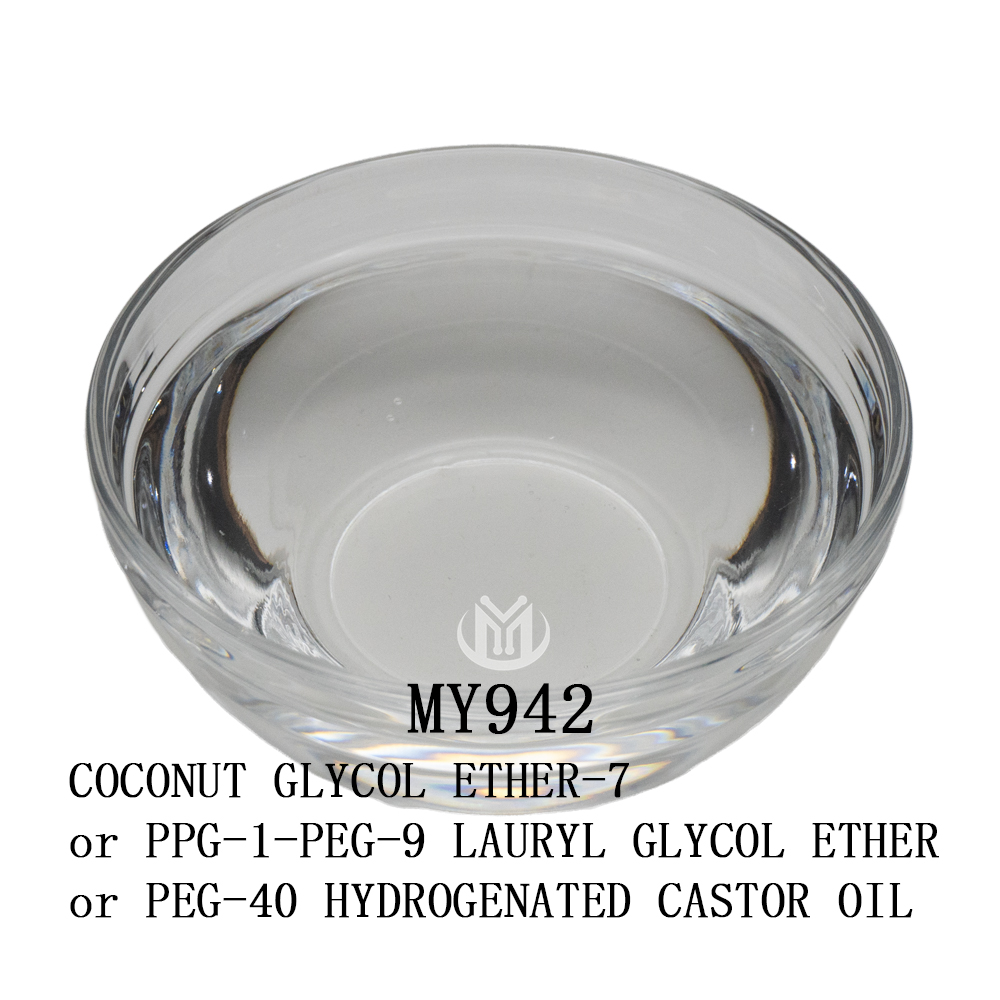
MY942 and MY940PE Solubilizers for Complex Oil Water Systems
OILREE® MY942 high solubilizing capacity solubilizer and OILREE® MY940PE high-efficiency low-foaming solubilizer perform well in complex oil-water phase systems.Through the differentiated molecular structure design, the two products show excellent performance in the application of essential oil solubilization and low foaming refreshing formula. Challenges of complex oil-water systems A complex oil-water system usually refers to a formula environment that needs to dissolve a variety of...

Excellent cationic conditioning agent - OSMFACT® MYBTMS 50
OSMFACTOR® MYBTMS 50 has outstanding performance in the application of high-end hair care products. With its unique creamy texture and balanced hair care performance, it has become the core formula choice of many international brands.Through the golden ratio of behentrimonium methosulfate and cetearyl alcohol, this raw material shows excellent comprehensive conditioning effect in a complex hair conditioning environment. The challenges of a complex hair conditioning environment Complex hair...
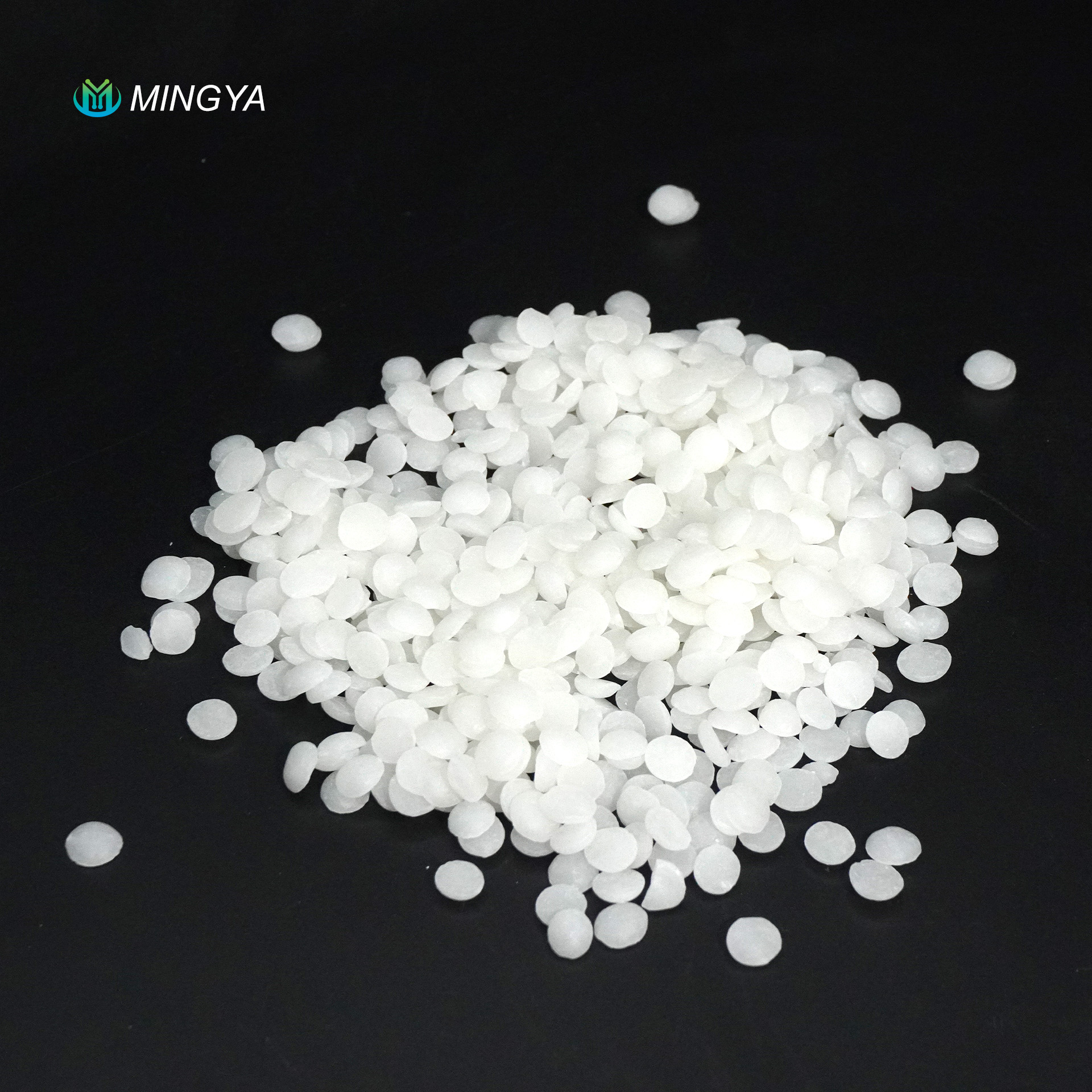
Applications and advantages of self-emulsifying systems
Application of self-emulsifying system 1. Self-emulsifying system: oil and water construction Self-emulsifying system, as the name suggests, refers to a system where raw materials can spontaneously form a uniform emulsion by relying only on their own components without the need for additional strong stirring or complex equipment.The core of this type of system is an emulsifier with a special molecular structure.They are oleophilic at one end and hydrophilic at the other, building a...

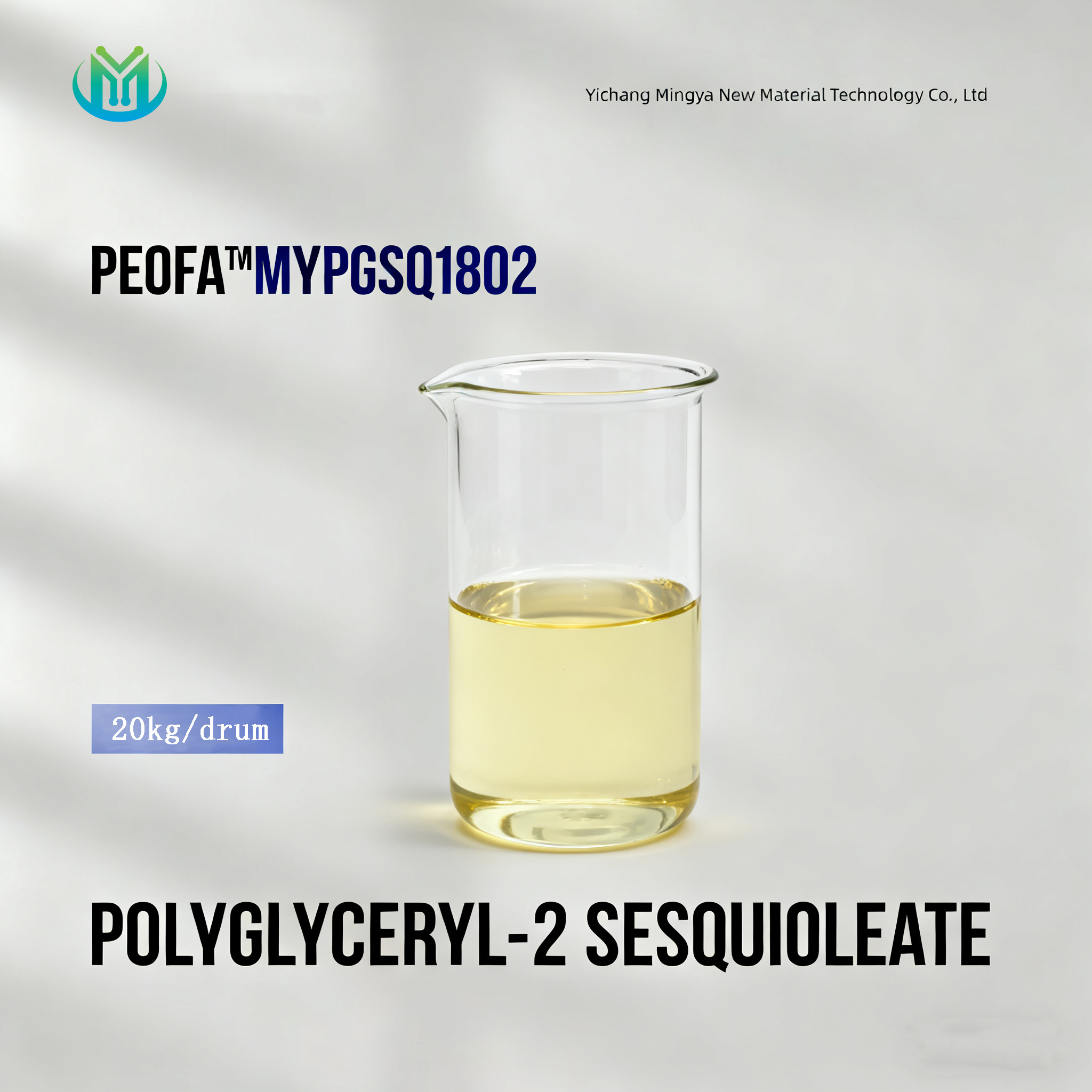
What is PEOFA™MYPGSQ1802 polyglyceryl-2 sesquioleate?
What is PGSQ1802 polyglyceryl-2 sesquioleate? PEOFA™ MYPGSQ1802 polyglyceryl-2 sesquioleate, with its pure natural properties, excellent emulsifying properties and gentle skin care characteristics, stands out in the field of emulsifiers for makeup remover products and has become the preferred raw material for many beauty brands, injecting natural new vitality into the makeup remover skin care market. 1802 is a special emulsifier for makeup remover derived from nature.Unlike traditional...

Solubilizers for Cosmetics: Comparing MY941 and MY942
In the pharmaceutical, cosmetic and food industries, Solubilizer is a vital auxiliary additive.It can significantly increase the solubility of substances that were originally insoluble or slightly soluble in water (such as volatile oils, insoluble drugs, vitamins, etc.) and form a transparent and stable solution.OILREE® MY941 and OILREE® MY942, with their green environmental protection properties and transparent liquid form, have become representatives of solubilizers.Although the two belong to...

What is Sorbitan Oleate? And what are its applications?
In the supply chains of beauty, daily chemicals and even many industrial fields, there are always some seemingly low-key raw materials that play a key role.Sorbitan oleate is a typical representative of it. It is often presented in green packaging with amber-colored liquid inside. It adopts a standard barrel size of 25 kg and waits silently to be formulated into various product formulas. It has become an important support to ensure product stability and efficacy.This kind of raw material, which...

Emulsifiers and Synthetic Oils Driving Modern Personal Care Formulations
There are two major categories of emulsifiers and synthetic oils and fats I.Emulsifier The development history of emulsifiers Everyone who has tried it knows that as long as it is a touch of lotion, it is easy to get oily and stuffy. After washing the makeup remover, you still see makeup residues. In fact, they are all stuck in the same hurdle-oil and water are inherently incompatible with each other.What was lacking in the early formulas was the efficient technology that could match them...

Oil in Water Emulsifier 922P for Sunscreen and Makeup Creams
As a key ingredient in the formula of skin care products, emulsifiers directly affect the texture, skin feeling and stability of the product.PHSPTER™922P oil-in-water emulsifier, with its excellent water resistance, optimized thickening ability and natural gentle properties, has become the preferred raw material for the formulation of makeup creams, sunscreens and other products. Core features PHSPTER™922P belongs to oil in water emulsifier. This type of emulsifier can evenly disperse the...
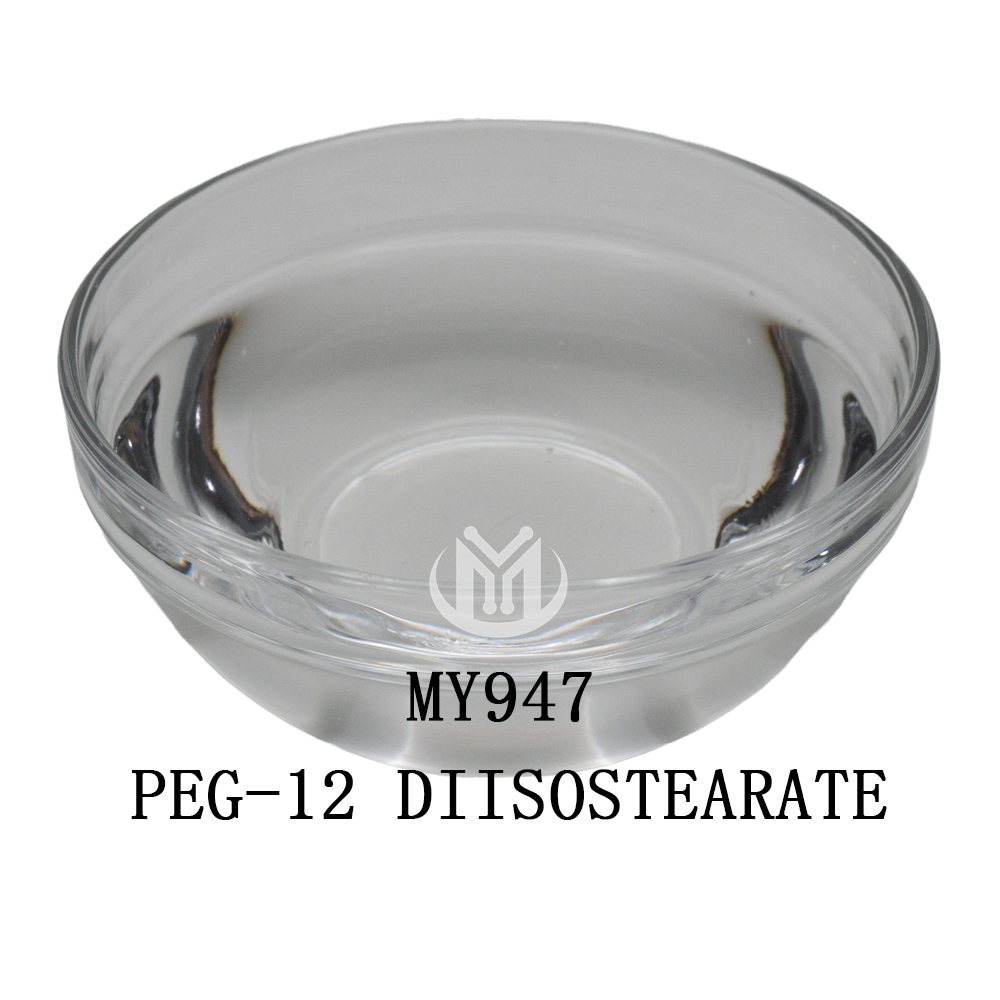
PEG-12 Diisostearate and PEG-3 Glyceryl Isostearate for Makeup Removers
The skin feeling of makeup remover ointment often determines the first motivation for consumers to repurchase. Residual oil phase, incomplete emulsification, and false slippage after rinsing, any detail may cause the brand's reputation to overturn instantly.OILREE® MY947 (peg-12 diisostearate) and MY949 (peg-3 glyceryl isostearate), the dual engines of makeup remover, are aimed at these pain points-allowing formulators to lose a few less hair in the laboratory, and also allowing end users to...
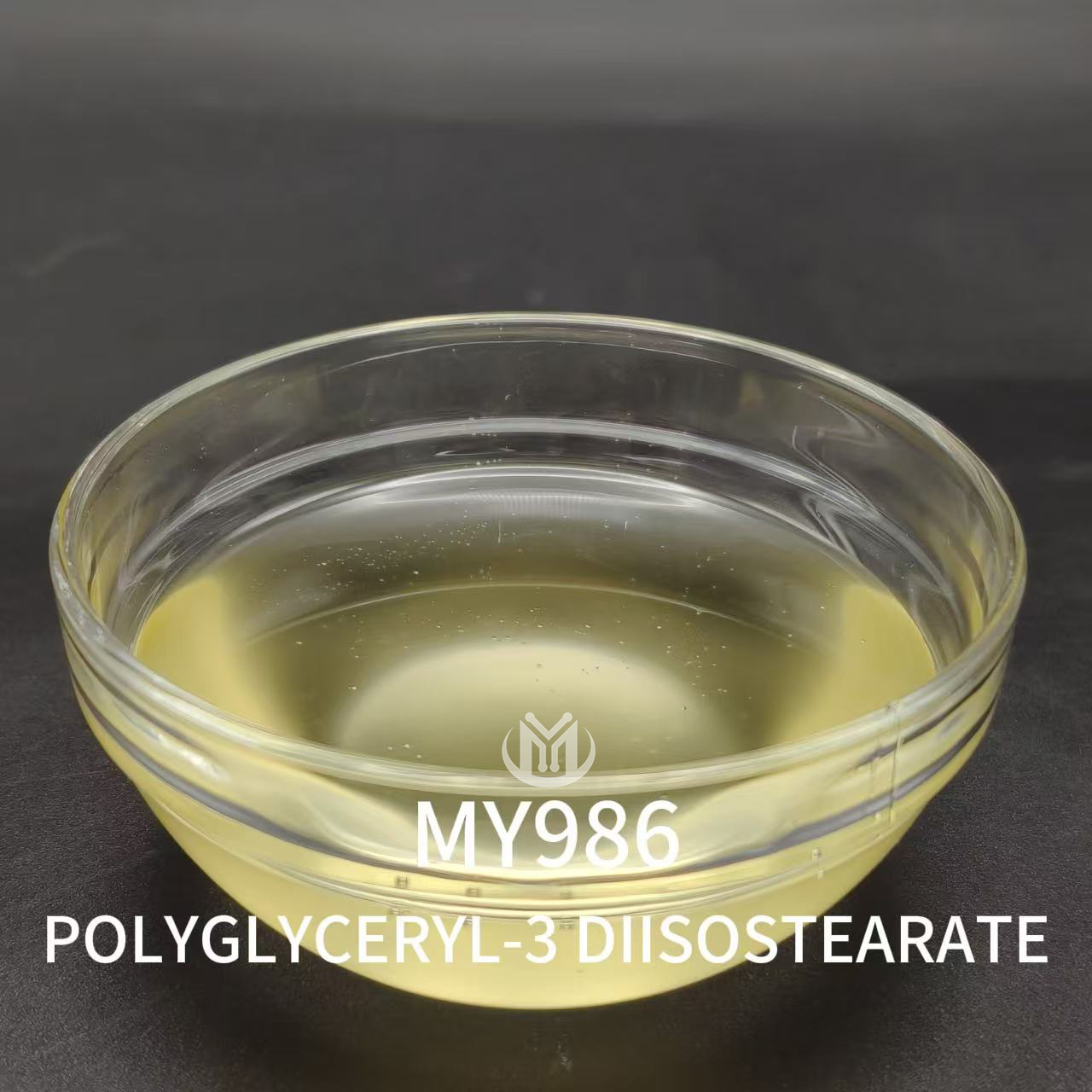
Polyglyceryl Isostearate Selection Guide: MY984 vs MY986 Explained
Confused about the material selection of 984 and 986?A must-see differentiation guide for raw material people With its excellent compatibility and application adaptability, polyglyceride emulsifiers have become the core ingredients in the formulation of waterproof, sunscreen, makeup, skin care and other products.PEOFA™ MY984 (polyglyceryl-2 triisostearate) and OILREE® MY986 (polyglyceryl-3 diisostearate), as two popular water-in-oil co-emulsifiers, often make buyers and formulators entangled...

Application of OILREE® MY94TS in Personal Care and Cosmetics
Application of OILREE® MY94TS in personal care and beauty products From cleansing and skin care in the early morning, to sunscreen and makeup before going out, to makeup remover and cleansing at night, personal care and cosmetics have long been deeply integrated into people's daily lives.While consumers pursue product effects, their requirements for gentleness and skin-feeling experience are also becoming more demanding, and a high-quality core raw material can often make the product stand...
Structural differences between Myristyl Myristate, Behentrimonium Chloride, and W/O Emulsifiers
Differences in Key Cosmetic Ingredients: Myristyl Myristate, Behentrimonium chloride, and Water in Oil Emulsifier These three raw materials are the core raw materials of the cosmetics industry and play an irreplaceable role in skin texture regulation, conditioning and nourishing, and formula stability.Their molecular structure differences have created their own unique characteristics and application scenarios: Myristyl Myristate: A long-chain fatty acid ester compound formed by the...

Why is Cetearyl Alcohol a uniquely favored ingredient among fatty alcohols?
Why is Cetearyl Alcohol a uniquely favored ingredient among fatty alcohols? Among the many skin care and hair care raw materials, fatty alcohol ingredients have always occupied an important position, and Cetearyl alcohol and Sodium lauryl sulfate) are combined to form OSMFACT® MY CASD. The fatty alcohol family is not a niche. Single ingredients such as Hexadelanol and Octadelanol have long been widely used, but the key to MY CASD's ability to stand out is that it jumps out of the...

What Is Caprylic Capric Triglyceride?
What is Capric or Capric triglyceride? In the Synthetic oils and fats family, Capric or Capric triglyceride may be unfamiliar to many people with the name INCI, but in fact it has long been quietly integrated into our daily lives-from the moisturizing lotion on the counter of skin care products to the favorite meal replacement products of gym people, you can see it.As a high-quality representative of this ingredient, NSOAF™ MCT is being used in many fields such as personal care and food due...
Privacy statement: Your privacy is very important to Us. Our company promises not to disclose your personal information to any external company with out your explicit permission.
Fill in more information so that we can get in touch with you faster
Privacy statement: Your privacy is very important to Us. Our company promises not to disclose your personal information to any external company with out your explicit permission.